Temple of the Eighteen Lords, New Taipei
十八王公廟
In the late 1860s, a ship traveling from China was wrecked just off the Northernmost coast of Taiwan, in what is now Shimen district of rural New Taipei City. There were 17 people and one dog on board. The people perished, but the dog brought each body to shore, before dying of exhaustion himself. They were buried on the shore in a mass grave by local fishermen. In another version of the story, the dog leaps into the grave and is buried alive with the human bodies in an act of loyalty. Over time, people discovered that the deceased would answer prayers, and these 18 ghosts were elevated to gods. The original grave is now in the basement of the temple which was built over it, and the waters at that shore were for a time polluted by Nuclear Power plant #1, which was built right next to the temple in 1978. Here, you can see the nuclear power plant’s spillway into the ocean, which is directly in front of the original temple, and presumed to be the area where the Eighteen Lords were washed up a long time ago.
A second temple worshiping the Eighteen Lords was completed in the early 1990s. It sits on a small mountain behind the original temple, and is only a five minute drive away. The most publicized story on why a second temple was built is that in the 1980s, the government planned to widen the highway, a move which initially meant that the temple would need to be moved. Thus, they began construction of the new temple, but before it was complete it was realized that it was not necessary for the road to affect the temple. Additionally, it is said that whenever they tried to move the Eighteen Lords’ things out to the new temple, or perform construction too near the temple, accidents would occur. However, another story says that the Eighteen Lords appeared to a member of the temple in a dream, and requested a new temple be built on the mountain, which did cause a rift in the temple organization. Next to the New Temple of the Eighteen Lords is a gigantic dog statue that you can see from the base of the mountain as you drive up. At one point in time, you could go inside the dog and up winding stairs to the inside of his head, but the door has since been sealed.
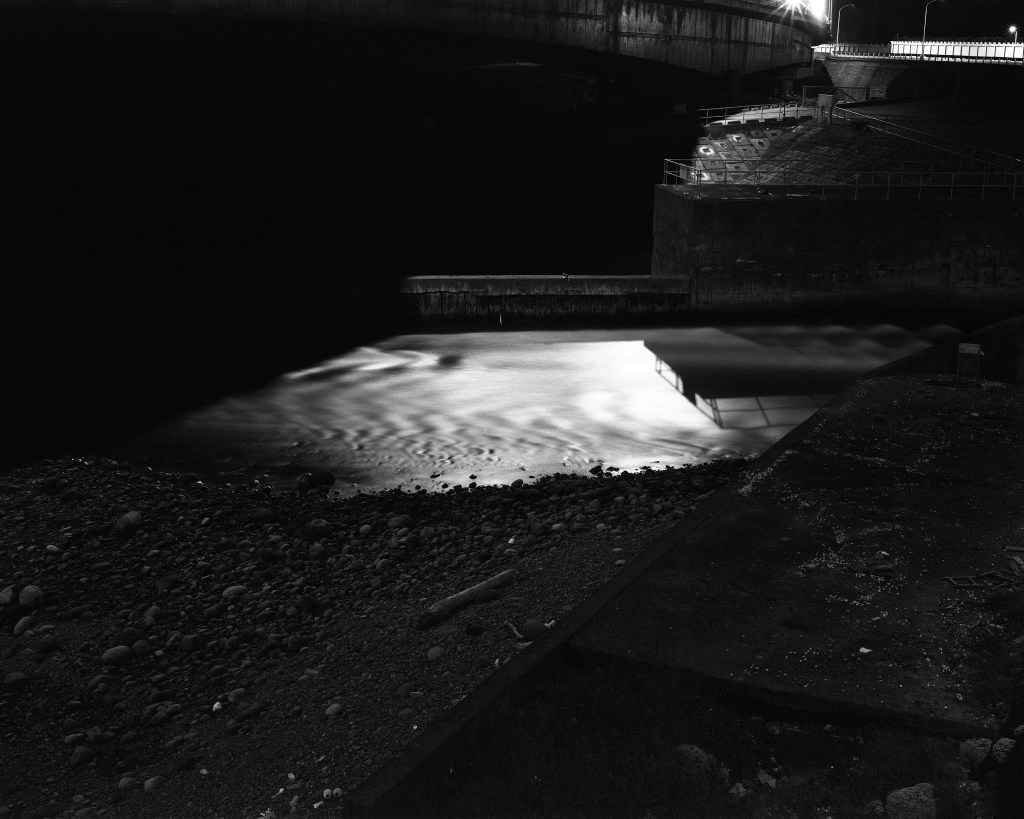
1860年代末,一艘從中國出發的船隻,在台灣北海岸附近失事,失事地點位於現今的新北市石門區。傳說船上有 17 人和一隻狗,船上的人全數罹難,而僅存的那隻狗,將每個人的遺體都帶回了岸上,最終精疲力竭而死,當地漁民發現後將他們安葬於岸邊的亂葬坑中。而在另一個版本的故事中,船上的狗為表忠誠,便於埋葬時,一躍而起與17人的遺體一起被活埋。隨著時間的推移,人們發現向死者們祈禱有求必應,於是將這 18 個鬼魂升格為神。位於現址寺廟的地下室即為原先安葬十八王公們的位置。1978年在寺廟旁,修建的一號核電廠,曾一度污染了岸邊的海域。今天在寺廟的正前方,你可以看到核電廠的洩洪道流入大海,根據推測這裡就是很久以前十八王公們被沖上岸的地方。
第二座供奉十八王公的廟於1990年代早期落成,座落在原廟故址後的山丘上,距離原廟僅有五分鐘的車程。至於為何現如今有新十八王公廟,最廣為人知的說法是於1980年代,當時政府計劃拓展高速公路,此舉便意味著寺廟需要遷移至他處。因此,廟方開始著手計畫建造新的寺廟,但就在瀕臨完工之前,才發現到公路的施工,並不會影響到原廟的位置。此外,傳說每當廟方嘗試把十八王公的東西遷移到新廟裡,或是在距離廟宇太近的地方施工時,就會發生意外。而另一種說法是,十八王公曾向一位廟方人員,要求他在山上建造一座新寺廟,此舉也導致了廟方內部不小的分裂。於今日新十八王公廟旁,座落著一個巨型的狗雕塑,開車上山時,就能從山腳下仰視。曾經是可以進入到雕塑的內部,並沿著蜿蜒的樓梯,便能抵達雕塑的頭內部,但入口後來被封死了。
Laoda Gong, Jilong
基隆老大公廟
In the 1800s, Quanzhou and Zhangzhou people had settled in and around the small port city of Jilong. The two groups fought constantly over the land. In 1851, a large battle broke out between them, and well over 100 people died, which was a large percentage of the settlers. Many bodies of both parties were thrown into Nanrong river, and were not retrieved until days later. By that time, they’d been eaten by fish to the point of being unrecognizable, and some fish were even found trapped swimming inside their skulls.
The dead were collected, and as it became popular to pray to their graves and ashes for various requests, a temple (老大公廟) was eventually built to house these unidentified dead, who have since been promoted to near-god status through efficacy and popularity.
1851年,住基隆的泉州人和漳州人因為土地界線有械鬥。械鬥兩邊死了一百多個人,屍體都丟到南榮河裡面,幾天後才被拿出來。屍體在水裡面的那幾天有被魚吃到認不出人家,而有些還有魚游到腦袋裡面。
後來屍體都拿去殯葬了,再過幾年蓋了一間廟拜他們,就是基隆老大公廟。
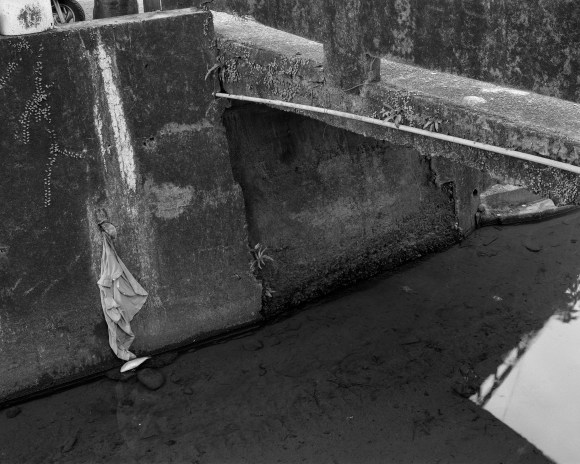
2023南榮河
Jindou Gong Temple, Yilan
外澳金斗公廟
The story goes that a long time ago a fisherman dragged some bones up in his net near the shore of Wai’ao. These bones are thought to be those of sailors shipwrecked on the rocky shore. The fisherman put the bones in an urn placed at the shore of the waters where the bones were found. The few people who lived in the area began to pray there, and over time they realized that the bones were efficacious. The first known date is 1870, when a temple was finally built to house the bones. The temple is wedged between two large boulders, both of which protrude into the temple. It is said that before the temple was built, the only road in the area went between those two boulders. The path between them was so narrow that people often got stuck, and had to dismount from their horses and take their cargo through bit by bit. When they tried to move the urn, it also became stuck there, and they decided to build the temple there. The temple is attached to a house that sits next to it, and has been cared for by the family that lives there for many generations.
Although the official story is that of a fisherman and shipwrecked bones, some locals say that the bones are actually from unknown Japanese soldiers or road construction workers.
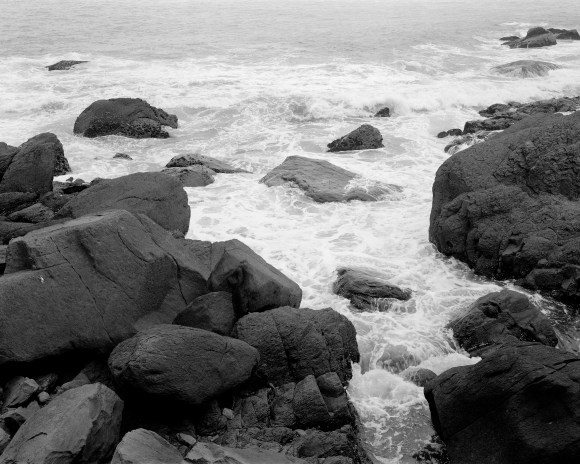
傳說在很久以前,一名漁夫在外澳海邊附近,用漁網打撈起了一些骸骨。這些遺骸被認為是在礁石中遇難水手的遺骨。漁夫將這些骸骨收置於金斗甕裡,並將祂葬於發現的岸邊。當地的一些居民聞言此事,開始在此祭拜祂們,隨時光荏苒,人們發現其靈驗不言可喻。
於1870年代,當地建造了一座寺廟來存放這些骸骨。此廟倚兩個巨石而建,在廟中依然可以看到巨石突出。據說在寺廟建成前,淡蘭古道就位於這兩塊巨石之間。兩塊巨石之間的道路非常狹窄,人們經常因此寸步難行,不得不下馬,再一點一點地把貨物搬過去。當人們試圖搬運金斗甕時,祂也堵在了這裡,於是決定將寺廟建於此處。而寺廟由緊倚一旁的民宅的吳姓家族,世世代代管理著。
雖然傳說中是漁民發現了這些海難遺骸,但還有一說是這些骸骨實際上來自不知名的日本士兵或築路工人。
Shijing Tai, Toucheng
頭城石鏡台
The flat surface of this rock, called Shijing Tai, illuminates bad things in the area and suppresses them. One such instance is a cat demon who once roamed the village, often destroying crops and killing livestock. After being suppressed, people began to pray to it to appease it, and over time the demon became a god. The cat general temple, called Jiangjun Temple, is in Toucheng. The original temple was in the mountains near Shijing Tai, but the exact location has been forgotten.
照妖鏡具有能夠使任何偽裝後的鬼怪現出原形的能力。
位於宜蘭頭城的石鏡臺,因其巨大且平坦的岩石表面,在當地相傳擁有照妖鏡的功能,其中一個例子就是貓妖。
貓妖曾經在村子裡遊蕩,經常破壞農作物並殺死牲畜。在被石鏡臺鎮壓後,人們開始向它祈禱以安撫它,久而久之,惡魔就成了神。
位於宜蘭頭城的將軍廟,其實就是原本在祭祀貓妖的貓將軍廟,而原來的寺廟就在石鏡台附近的山上,但具體位置已被遺忘。
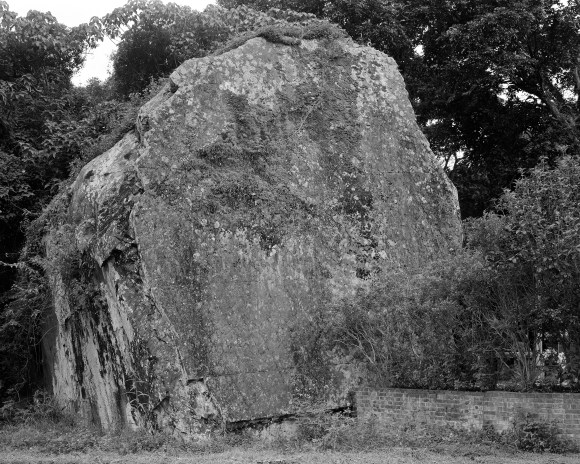
2023石鏡台
Temple of the Fifteen Lords
十五王公廟
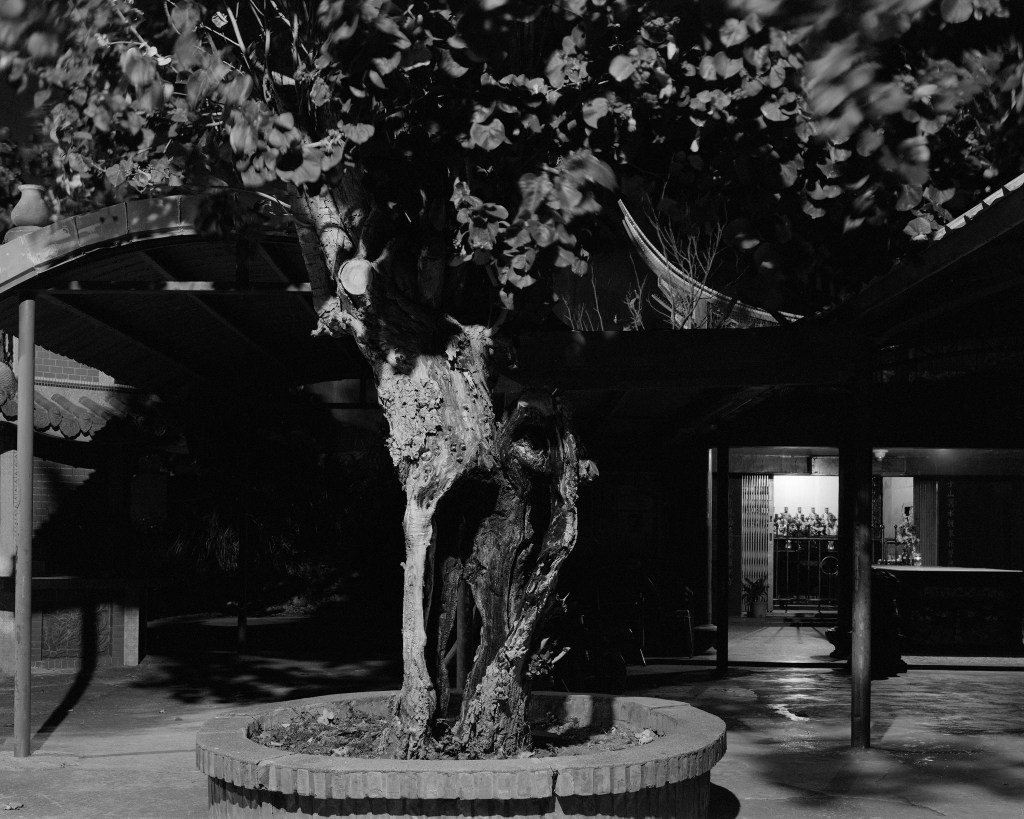
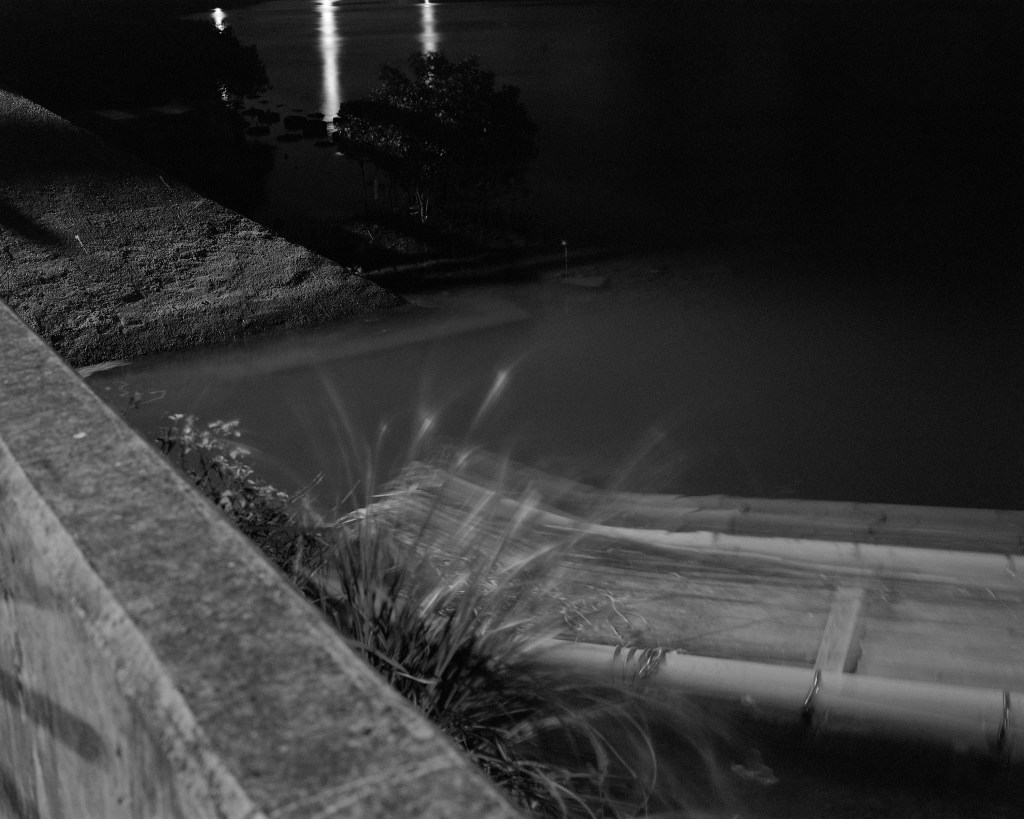
Around 1877, a boat carrying people from Fujian to Taiwan was just about to reach shore when it encountered a storm and capsized. Fifteen male corpses were discovered and buried by the shore in Xinwu district of Taoyuan county by local fishermen. The grave was not paid much mind, until a fisherman who prayed at the graves began to experience great luck while fishing. In 1987, a temple was built at the site, and local fishermen today continue to pray there. On March 30th in 2004, a fire broke out and burnt the temple down. It has since been rebuilt, but some of the trees have visible burn scars.
約於1877 年,一艘從中國福建前往台灣的船隻,在即將靠岸時,因遭遇了風暴而傾覆,而後,當地漁民發現了 15具男性的遺體,並將其安葬於桃園縣新屋區的岸邊。很長的一段時間,這裡不為人所知,直到有漁民意外發現在墓前祭拜,對漁獲的豐收特別靈驗。 1987年,人們在此建造了一座廟宇,至今當地許多漁民仍在此進行祭拜。 2004年3月30日,一場大火將寺廟燒毀,而後寺廟進行了重建,至今仍可在一些樹木上,發現有明顯經祝融過的痕跡。
Sansheng Shuigui Gong Temple
三聖水櫃公廟
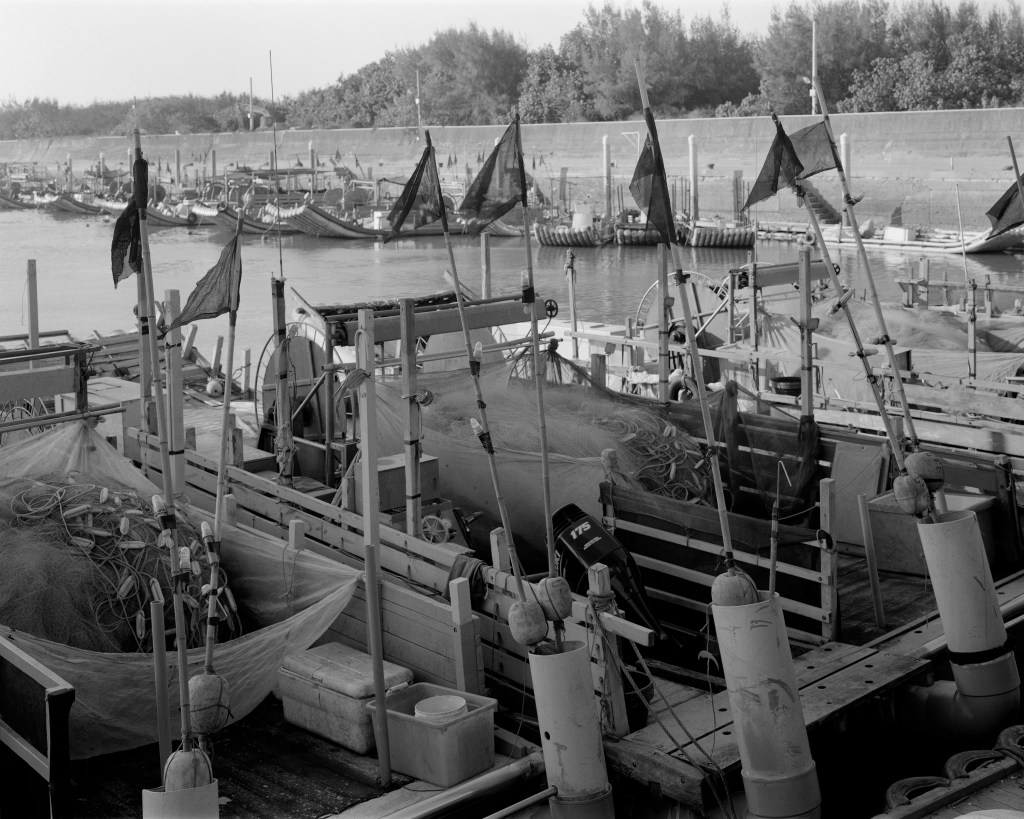
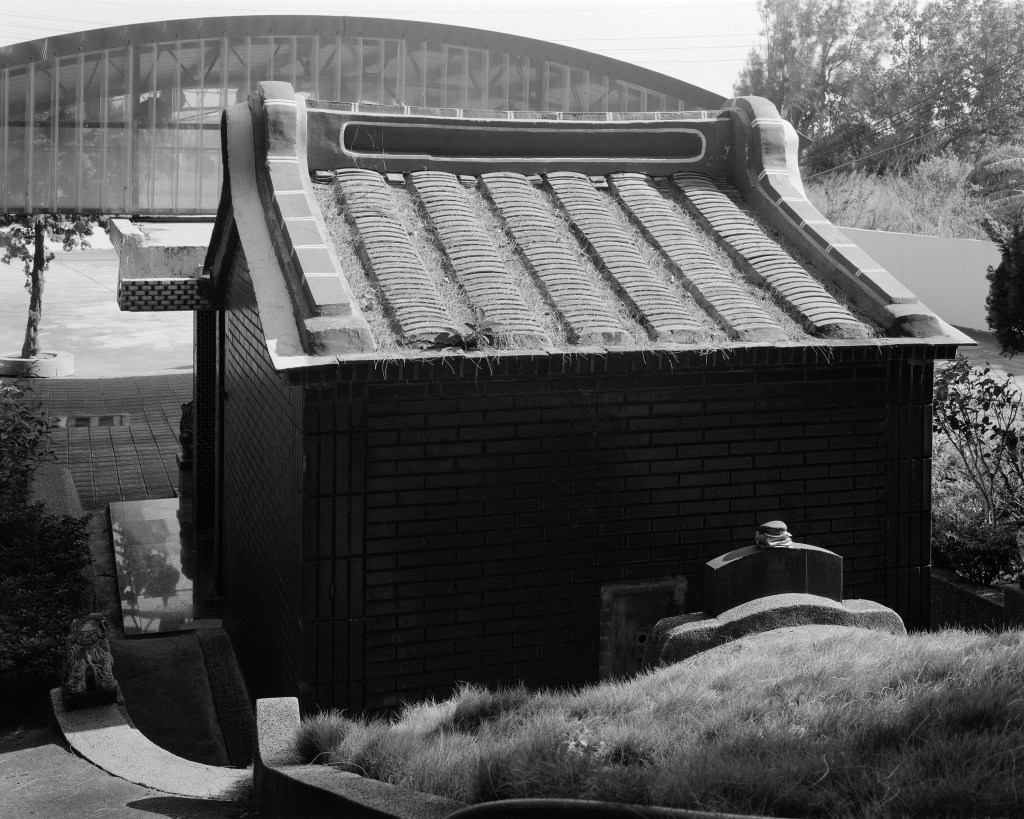
In Southern Miaoli, it is said that a water tank floated to shore and was discovered by fishermen. When they opened it, they discovered that it had been nailed shut from the inside, and it contained three bodies. The fishermen buried the water tank, and the site was initially set up as a tomb. Local fishermen increasingly worshiped the grave, and in the early to mid 1900s a temple was built at the site. As in many of these cases, we cannot estimate the date of the origin story by when the temple was built, because ghosts often take some time to prove themselves worthy of a temple.
在苗栗的苑裡鎮,聽說很久以前有一個水櫃漂到港口被漁民發現。他們把水櫃打開了,裡面有三個屍體而水櫃是從裡面被密封起來。漁民用繩子把水櫃拉上來,過程中繩子斷了,漁民認為就是三聖水櫃公找到目的地。他們在這個地點把水櫃埋起來。當地人開始供奉三聖水櫃公的墳墓,特別多是漁民去拜三聖水櫃公問是不是要出船,等。越拜越久,三聖水櫃公變成不只是以前船難的無名人,他們算是當地的神明。大概一百年前苑裡鎮改了三聖水櫃公廟在墳墓前面了。
Dajia River God, Taichung
大甲溪河神
In the mid-1900s, a farmer dreamed of an old man standing at the edge of the river and driving the floodwaters back into it. When he went to work in the fields the next morning, he found a large rock in the shape of a head with a face, in the tributary which watered his crops. He pulled the rock from the water, and people began to worship it as the river god at the Dajia River God Temple.
十九世紀中期,在台灣中部的大甲區,有一位農民夢見了一個站在河邊,將洪水驅回河中的老人。
第二天早上,當農民去田裡工作時,他在附近的河裡發現了一塊形狀像是人頭,且類似人臉輪廓的巨大的石頭。
他把石頭從水中撈出來,往後,當地人開始在大甲河神廟祭祀它作為河神。

2023大甲溪河神
Song Rou Zong, Lugang
鹿港送肉粽
The last time this ritual was performed was 4 years ago—to expel the resentment attached to the site and implements of a suicide by hanging.
Before the rope is taken through the streets to be burned at the ocean shore, every wall, tree, door, and window on the predetermined route is plastered with paper protective talismans. In the hours leading up to the excursion, stores have closed early and everyone has gone home. Visual documentation of the ritual itself is prohibited.
送肉粽儀式的目的是為了驅逐上吊自殺者留下來的怨氣。
為了將怨氣排除,儀式中將把自殺者使用的工具帶到海邊燒毀。
鹿港是在台灣最主要舉行這個儀式的地方,在今年的儀式舉行之前,
最近一次舉行的時間是在四年前。
儀式中,預定路線上的每一面牆、每一棵樹、每一扇門窗都貼上了紙質的護身符,
且在把繩子(使用工具)帶到海邊燒毀之前,所有店家都提早關門。
視覺紀錄在整個送肉粽的儀式中是被禁止的。
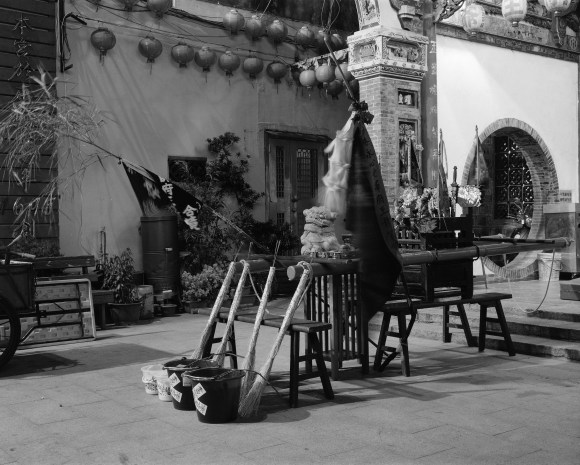
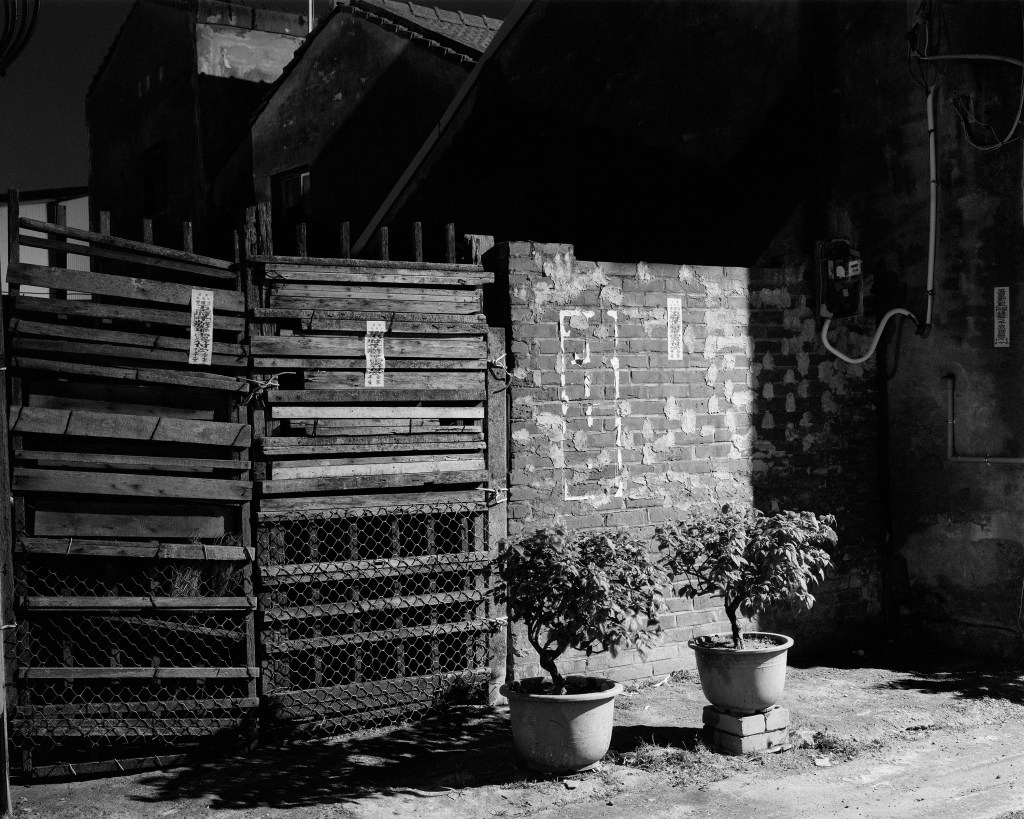
2023鹿港準備送肉粽
Seven Generals Temple, Nantou
南投草屯南岸七將軍廟
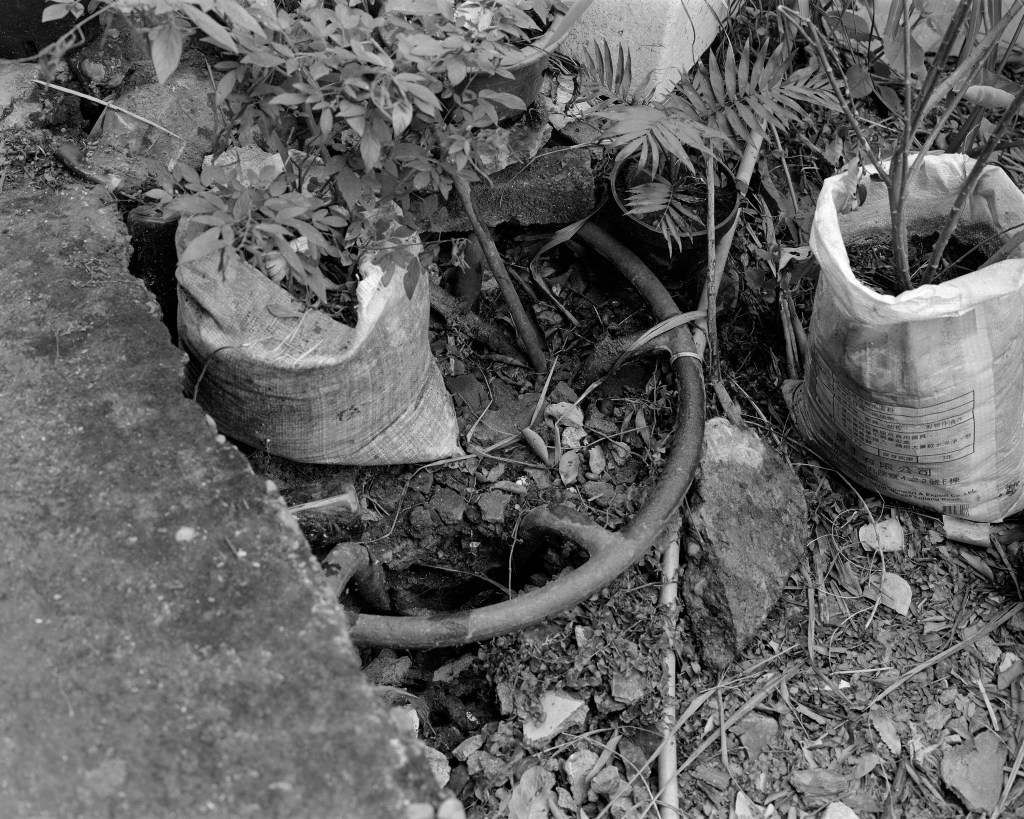
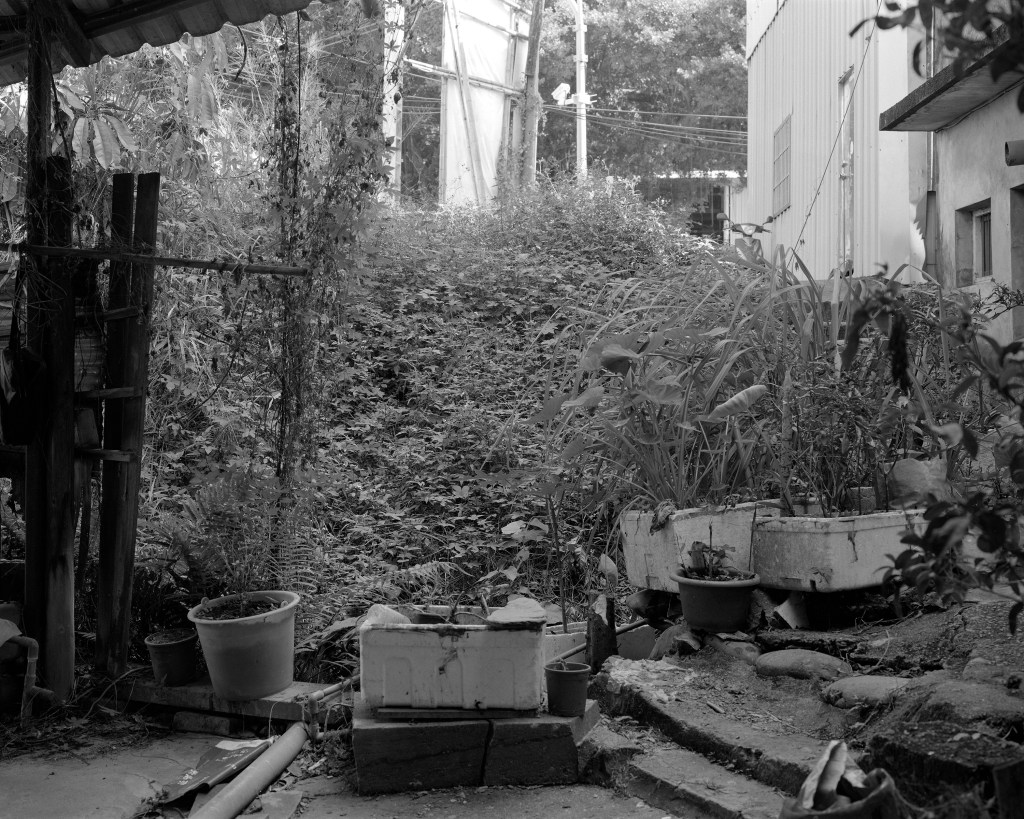
In the late Qing dynasty (1644-1911), it is said that while 6 workers, accompanied by their dog, were working on digging a pathway for a flood control system in Nantou, they were suddenly swept away by uncontrolled waters. Part of what remains of the flood control system is still there, if you are willing to dig up an old man’s compost heap and potted plants. Unlike the other temples, no physical remains were left to be placed in the temple. The dog god here, seems to have more of a pet appeal than the dog at the Temple of the Eighteen Lords. While I was there, I met a family who had traveled down from Taipei to repay the dog god for answering their prayers to heal their family dog. They told me they initially came down to pray when they saw the god had healed other dogs on the news.
據說在清末初(1644-1911年),一隻狗跟著六名工人在南投挖掘防洪通道時,突然被水沖走。如今,如果你願意挖老人的花園,還能看到部分防洪設施的遺跡。當地人把他們供奉起來,但因為屍體都沒有找到,廟裡沒有骨頭。
我在那裡的時候,遇到一家人,他們從台北下來為了感謝狗神治癒了他們家的狗。他們跟我說最初是因為在新聞上看到狗神治癒了其他狗狗才來的。
Shuiliu Ma Temple, Jiayi
民雄豐收水流媽廟
In rural Minxiong of Jiayi county, a temple worships a skull that was once found clogging the stream by the rice fields. The skull was fished out and placed in an urn next to the stream, where people would pay their respects. At the time, there was only a narrow bridge of bamboo tied together with which to cross the stream, and as a little boy crossed the bridge one day, he fell into the stream. The boy explained later that as he fell, a woman used a prickly bamboo plant to catch him by the collar and pull him back up, and he knew the woman to be Shuiliu Ma, the owner of the skull. This is likely the first tale of Shuiliu Ma’s deeds. Following this the urn was frequently worshiped, and later a temple was built.
在嘉義縣民雄鄉,有一間廟供奉著一顆頭骨。這顆頭骨曾經堵在稻田的小溪里,後來被農民撿起來,放在溪邊的一個甕裡,當地人開始祭拜。當時溪只有一座小竹子橋。有一天,一個小男孩過橋時不小心掉進去下面的溪。他後來跟家人說當他落水時,一個女人用一根刺竹勾住他的衣領,把他拉上來了。他認出這個女人就是頭骨的主人,水流媽。這可能是水流媽的第一個神蹟故事。當地人開始常祭拜水流媽的甕,後來又建起了一間廟。
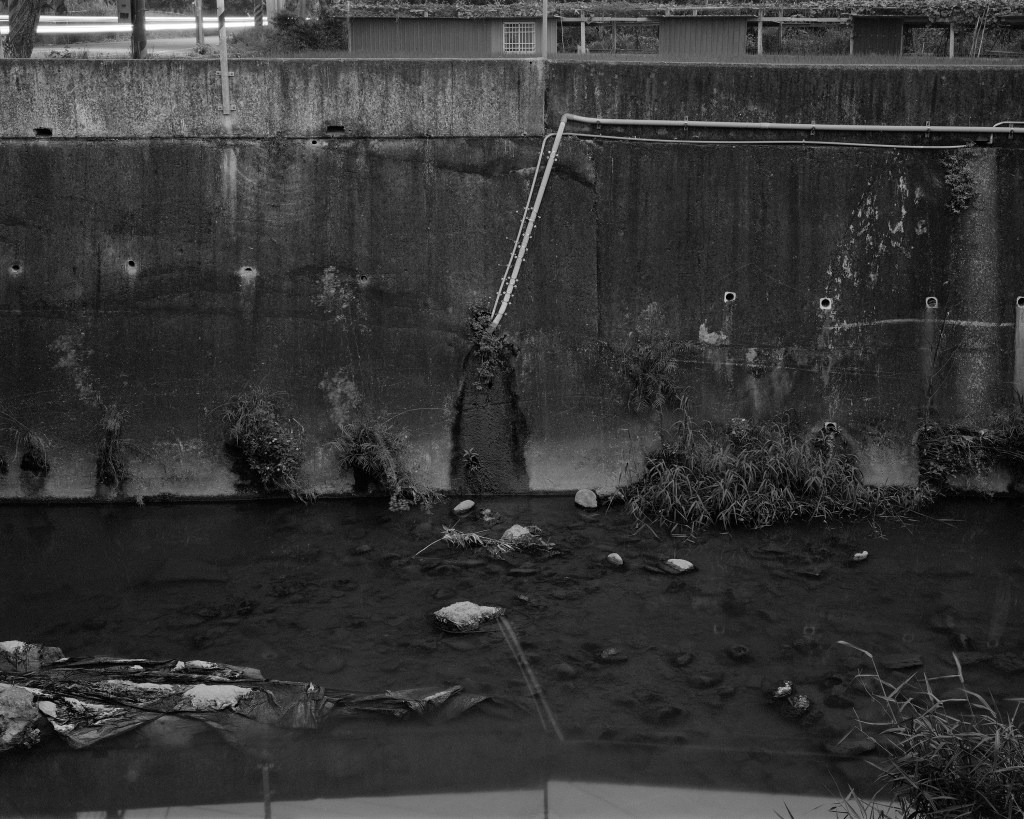
The death of an old tree causes 16 villagers to die, Jiayi
嘉義樹公死導致死16人
In 2007, a several hundred year old tree suddenly died. Over the following year, the small village with a population of barely 300 saw 16 people die. With the help of a spirit medium channeling a Wangye god, it was determined that the dead tree was the cause. Every villager, with no exceptions, made a straw substitute of themselves, and then the straw people were burned. After that, the number of deaths in the village returned to normal, and the dead tree sprouted new growth.
2007年,位於台灣嘉義的一個小村莊,有一棵百年老樹突然枯死,在往後的一年內,僅有不到300人口的村莊就接連死了16個人。
當地村名在王爺廟裡問事之後,確定了這個事件與老樹枯死的關聯,於是,每個村名無一例外,都做了自己的草人替身,並燒毀。
此後,村裡的死亡人數恢復正常,原本枯死的老樹也再度發芽重生。
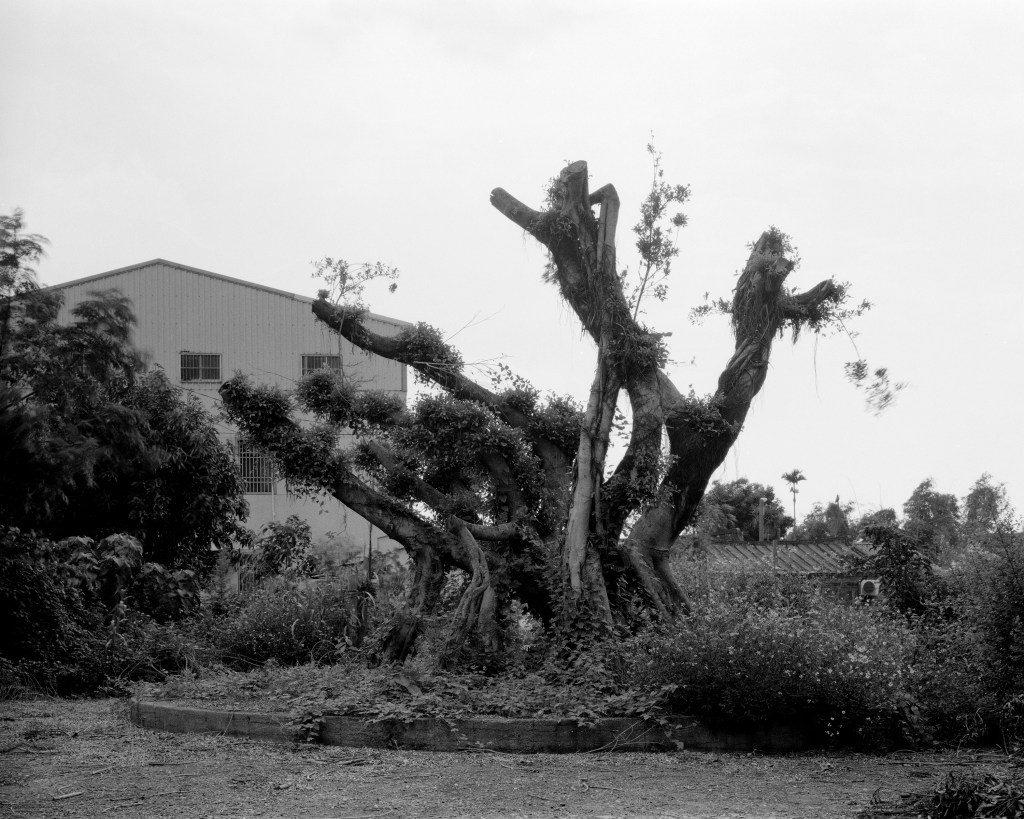
2023樹公
Longtian Yisheng Temple, Tainan
隆田義聖宮
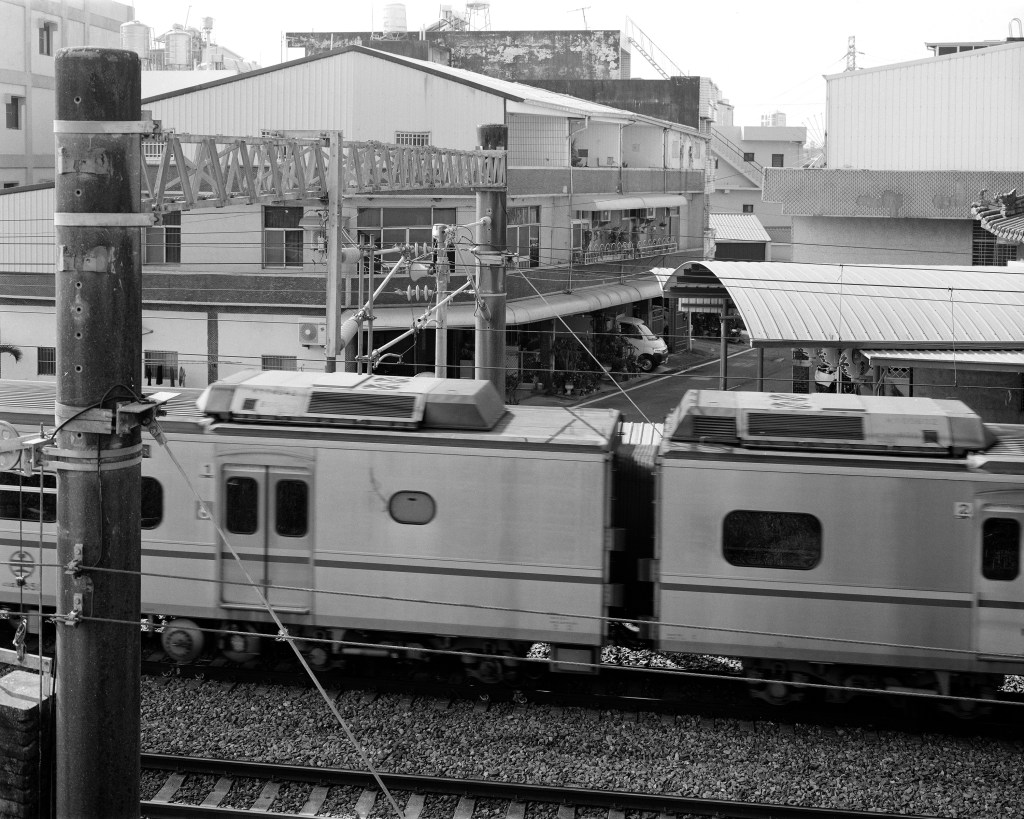
In Tainan, on March 11th 1961, a vehicle carrying soldiers from the nearby training center was crossing the train tracks. When they saw the train, it was too late. Over 20 soldiers died. Following the event, the homes and shops in the vicinity of the accident began to report seeing and hearing strange things, finding silver ghost money in their tills, and an increase in accidents at a nearby intersection. Rather than paying respects to the ghosts, someone put the god Li Er (李二王元帥) in a small makeshift shrine near the site of the accident to appease the ghosts. Eventually, as this proved effective, a larger temple for Li Er was built to keep the area at peace.
1961年3月11號在台南縣一台車帶軍隊從附近的訓練中心過鐵路,被火車撞到,超過20位軍人死亡了。附近的家跟店開始遇到一些奇怪的事情,晚上聽到或看到東西,有店在收款機找到了銀紙而災難發生附近的路口常有災難。當地人把李二王元帥神像擺在災難的地點為了壓迫怨氣,後來因為這尊神在哪裡很有效所以改了一間李二王元帥的廟讓附近都平安了。
Shi’er Dian Banyan God, Tainan
台南什二佃神榕
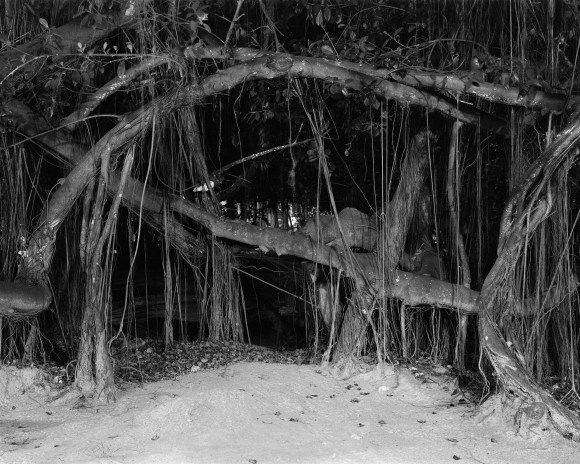
In the early 1800s, people who had recently moved to the area of rural Tainan which is now known as Annan district struggled with flooding from the Zengwen river as they tried to cultivate the land. The Wangye god of the local temple appeared to a villager in a dream, and told them to plant a Banyan tree to prevent flooding. Planting the tree was effective in flood prevention. The tree has since grown to be massive, and the roots of the original have spread out to form what appears from the outside to be over one hundred trees. In the center of this one-tree forest is a temple. Both the tree and the Wangye god residing in the temple have performed many miracles.
19世紀初,有一些人搬家到台南鄉下(今安南區),在種田時附近的曾文河一直讓他們受到河洪水的困擾。當地廟的王爺在夢中告訴一位村民要種一棵榕樹來防洪。種樹果然有效,洪水得以避免。這棵樹如今已長成許多樹幹,樹林中有一間王爺廟。聽說榕樹和廟中供奉的王爺都有很多聖跡的故事。

Tiegu Mountain Temple (Coffin Cave), Tainan
台南鐵谷山宮(棺材窟)
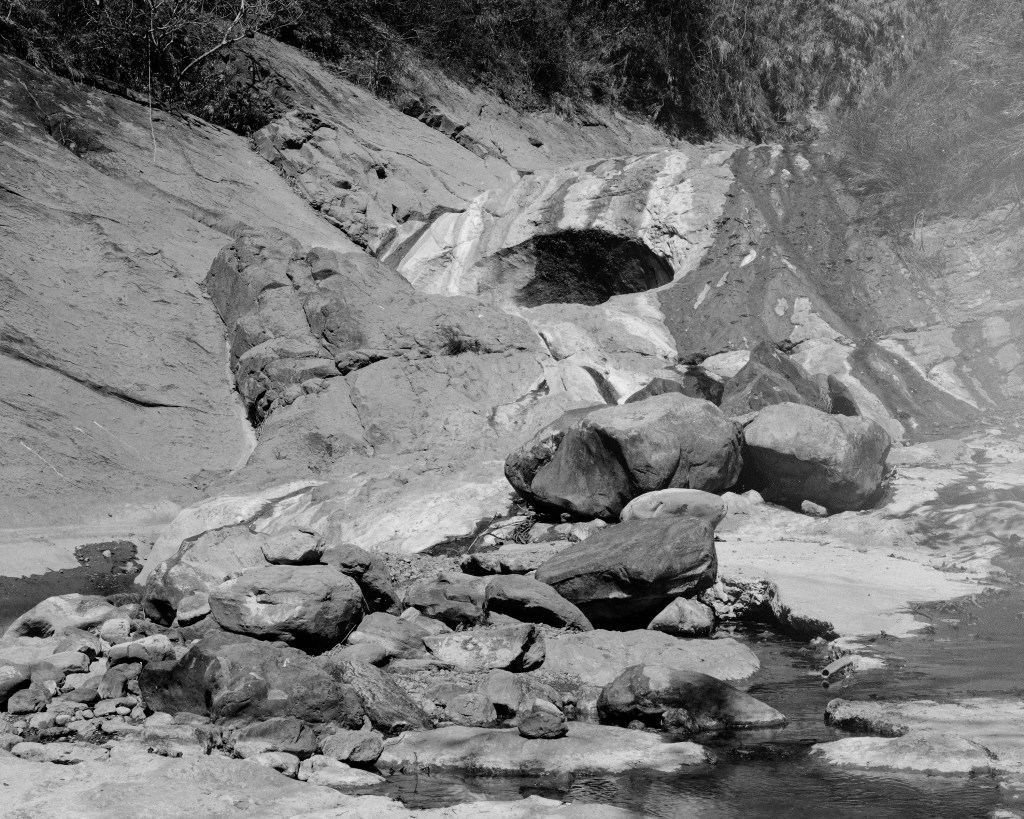
During the period of Japanese occupation in Taiwan, a prolific anti-Japanese rebel named Fang Dazhuang kept a base with other rebels in the mountains of rural Tainan near the Guitan river. One of the bloodiest battles between him and the Japanese left hundreds, or thousands (accounts differ), dead in a location along the river known as Coffin Cave. Eventually, Fang Dazhuang was caught and killed by the Japanese. His grave became Tiegu Mountain Temple, and though remote and not well known, it is quite efficacious, and a massive golden snake has been seen behind the temple by a few worshippers. The temple is not far from Coffin Cave, but Coffin Cave is difficult to find and known only by a few locals. To get there from the temple, one must drive 20 minutes along a treacherous mountain backroad, then hike and river trace for 15 minutes. Coffin Cave is in fact a pair of water pits.
日占台灣時期,一位名叫方大戇的抗日英雄在台南鄉下龜丹溪附近的山區與一些其他抗日戰士建立了據點。他與日軍之間爆發了一場血腥的戰鬥,在龜丹溪的稱為「棺材窟」的地方,當時數百人或數千人喪生(說法不一樣)。最終,方大戇被日軍殺了。當地人後來建了一間廟叫鐵谷山宮為了供奉他。雖然鐵谷山宮位置很偏僻,很少人知道,但據說非常靈驗,有些信徒甚至在廟外面看到一條巨大的金蛇。鐵谷山宮離棺材窟不遠,但棺材窟位置很偏僻,只有少數當地人知道。從鐵谷山宮出發,需要沿著一條山路開車20分鐘,然後徒步溯溪15分鐘才能到達棺洞。棺材窟不是我們想像的山洞,其實是兩個大水坑。
 方佳琳 Clara Emery